Leaking When Giggling Or Coughing Lapeer & Rochester Hillsides, Mi
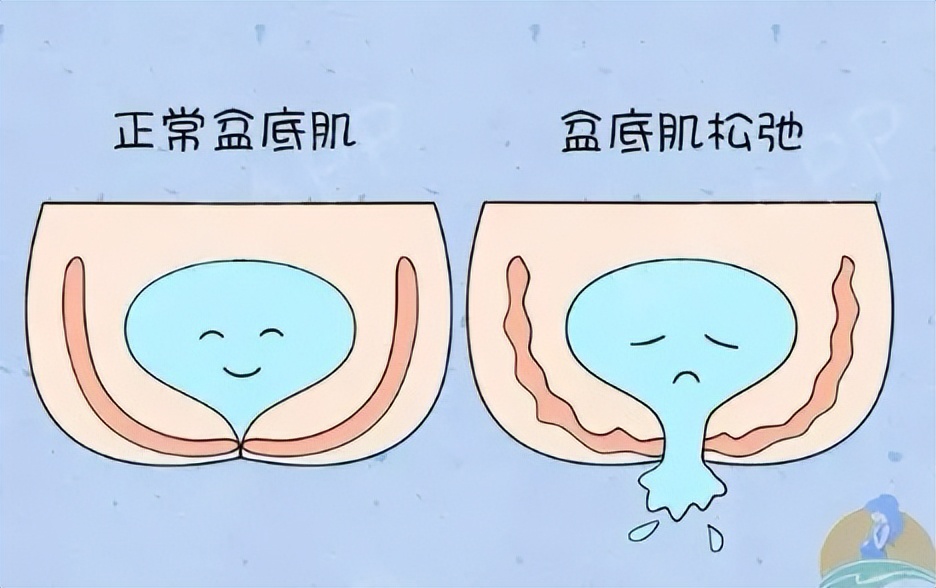
Leaking When Chuckling Or Coughing Lapeer & Rochester Hills, Mi When a person experiences tension urinary incontinence, they leakage pee when they cough, sneeze, laugh, jump, lift, or do other physical activity that creates an abrupt jolt of abdominal stress. Fortunately, there are a number of options to manage urine leak when coughing, including physical therapy, way of life adjustments, and leakproof undergarments. Coughing urinary incontinence in men can have severe emotional impacts that frequently go untreated as a result of sensations of embarassment and embarrassment. The constant anxiety of leak in public can create guys to limit their day-to-day activities, stay clear of social situations and shy away from partnerships. It's not surprising that lots of men dealing with SUI can really feel separated and experience anxiety and stress and anxiety. Additionally, emotional distress can intensify physical signs and symptoms of SUI and further make complex treatment.
More Ways To Handle Tension Urinary Incontinence
Much more usual in ladies than guys, about 22% of women in between the ages of cope with anxiety urinary system incontinence.
Additionally, a woman who has given birth vaginally is twice as likely to develop stress urinary incontinence as a lady who had a cesarean birth.
The pressure-regulating balloon maintains the cuff pumped up at the ideal pressure to stop leakage.
If everyday activities like coughing, sneezing, chuckling, lifting or working out are triggering urine leak, you're Parkinson's disease not alone. Stress urinary system incontinence (SUI)-- the unintentional loss of urine during exercise-- affects up to one in three ladies over age 45. A number of treatments, consisting of muscle-strengthening exercises and Visit this website surgical treatment, are readily available to aid relieve stress and anxiety incontinence. These therapies can minimize the incidence of leakages and improve a person's quality of life. Experiencing a periodic leakage of urine does not directly suggest that you are handling stress and anxiety urinary incontinence.
What Are Pelvic Floor Exercises And How Do I Do Them?
Approximately 10 million grownups will experience some type of urinary incontinence in their lives. If you have pelvic discomfort, bladder, digestive tract, or other pelvic symptoms that are affecting your lifestyle, you can get the alleviation you have actually been looking for with Joint Health and wellness's on the internet workout therapy program. Stress and anxiety urinary incontinence is especially typical in ladies due to the several changes that occur to a lady's body over her life time. Points like maternity and giving birth, and changing hormones throughout menopause can all influence the pelvic floor, making it weaker than it used to be. You need to do pelvic floor workouts a minimum of 3 times a day, over a duration of at 3 months prior to you can inform if they are working. In addition, we located that the CSS and cough VAS were similar among various causes in this study. The etiological distribution did not play an predominent role in UI. This research still offered an essential effects in professional, however refresher course aimed at patients from the area must be performed to confirm it in the future. Anxiety urinary incontinence (SUI) is referred to as the uncontrolled leak of urine adhering to initiative or exertion observed while you laugh, coughing, or sneeze.
Why does my pee dribble when I cough?
Urinary system urinary incontinence is the loss of bladder control. Stress and anxiety incontinence happens when movement or activity puts pressure on the bladder, creating pee to leak. Movements consist of coughing, chuckling, sneezing, running or hefty lifting. Anxiety incontinence is not related to psychological tension.
The probe has an electrical current that can assist to exercise and reinforce the pelvic floor muscle mass. To detect stress and anxiety urinary incontinence, your physician will first ask you regarding your symptoms and medical history. He or she might ask you to maintain a 'bladder journal' for at the very least three days. It's a typical experience for numerous females-- concerning one in 3, actually. It merely suggests that daily motions or a passionate chuckle can sometimes bring about spontaneous pee leakage. It happens when pressure on your bladder-- from tasks like laughing, coughing, sneezing, or moving-- creates you to leakage urine.